June 18, 2025
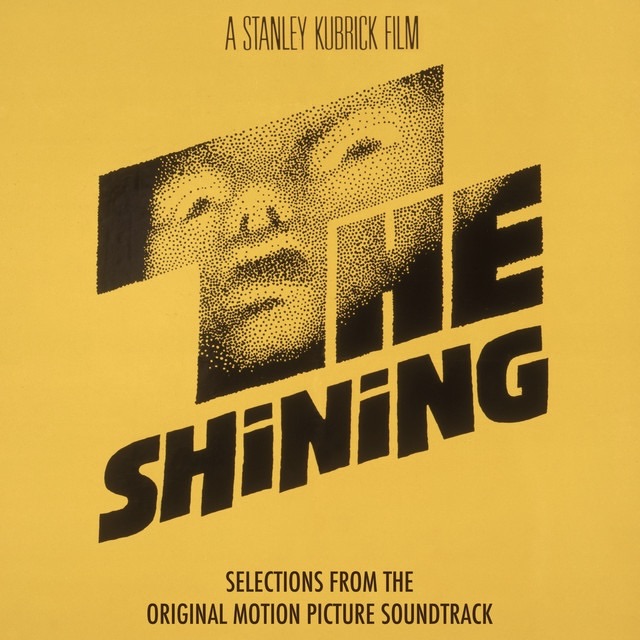
The Shining is one of the most iconic and beloved horror films of all time. From its incredible cast to its eerie setting, The Shining has carved out a place for itself as a unique piece of horror and media history. One element that really sets this film apart from its contemporaries for me is its incredible score.
As I’ve touched on before, I’m a big fan of music from the heyday of 80s synth-pop. The Shining‘s score is interesting, as it’s a synth score that was really leading the charge in using this kind of technology to create droning, intimidating music. Since this film was released in 1980, the score likely entered production in late-1979 or early-1980, meaning that it released right after another iconic synth score (from Halloween in 1978) and right before one of the most lauded synth scores of all time (from The Thing in 1982 – ironically John Carpenter’s films tend to have fantastic synth scores).
What fascinates me, though, is that Halloween‘s synth score was created out of necessity. John Carpenter and crew created the movie on a shoestring budget and he wrote the score in a very short amount of time using equipment he could use for cheap. The Shining is really one of the first examples of a big-budget horror movie using a synth score simply because it was what would fit best.
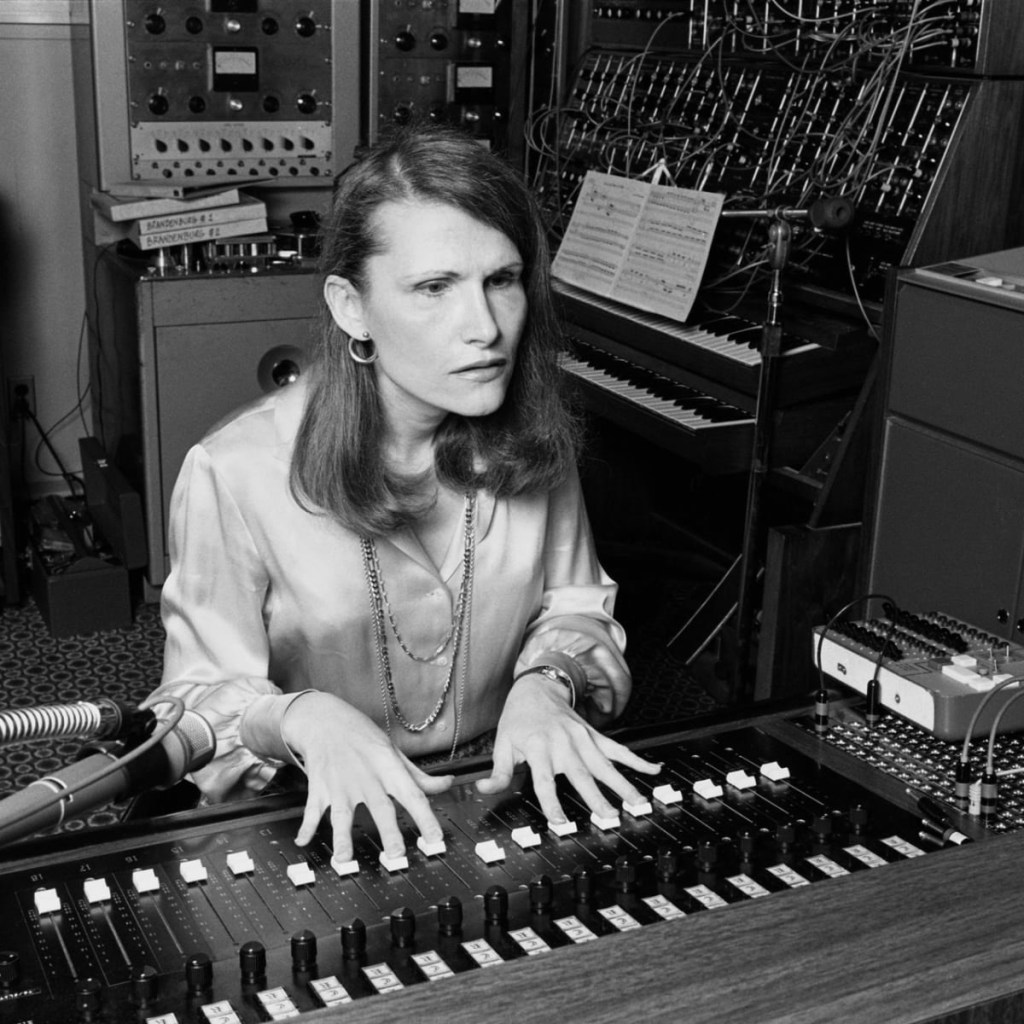
Of course, this score is nothing without its composer, Wendy Carlos, who I largely credit with just how fantastic and iconic this soundtrack is. She’s a pioneer in the synth world, creating and releasing wonderful synth albums and soundtracks as far back as 1968. Her work on The Shining (as well as other successes) even earned her a spot to work on another iconic synth score, that being the original Tron. While her music is widely discussed and beloved, she doesn’t always get the recognition she deserves. This is due in part to her music having shaky licensing deals that can make some of it hard to access. She also faced open harassment by some, including a music artist that I don’t care to mention, for her identity, as Carlos is a trans woman.
This really goes without saying, but Carlos’ music defined the use of synths in soundtracks in the 1980s. The zeitgeist of synth music in the 1980s, especially in popular culture, is due in no small part to her wonderful music. I think it’s really important to remember her and The Shining‘s score for a few reasons. Firstly, it demonstrates the effect that a great soundtrack can have on a movie. Secondly, she’s an amazing example of a queer artist really making strides and influencing artistic trends in a great way. And finally, it’s simply a great score. While it can be difficult to find the full score officially today, please give it a listen if you have a chance. The soundscape it creates is truly one of a kind.
Happy Pride Month! In celebration, each post this month will focus on a different LGBTQ+ piece of media or artist. Since some posts are taking a bit longer than anticipated, I will bump one to the first week of July! I hope you enjoy these works and I highly recommend you support any queer artists you know. It’s more important than ever to show your support for the LGBTQ+ community. While I am not affiliated with them, I would like to direct you to The Trevor Project. They are a non-profit dedicated to protecting young members of the LGBTQ+ community, especially in regards to their mental health. If you have the means, they are always accepting donations to continue the work they’re doing. Even if you can’t support a group like that financially, you can still make a difference by being a strong ally. Support members of your family, friend group, and community, regardless of their identity.
 Wesley Richmond's Blog
Leave a comment