August 6, 2025
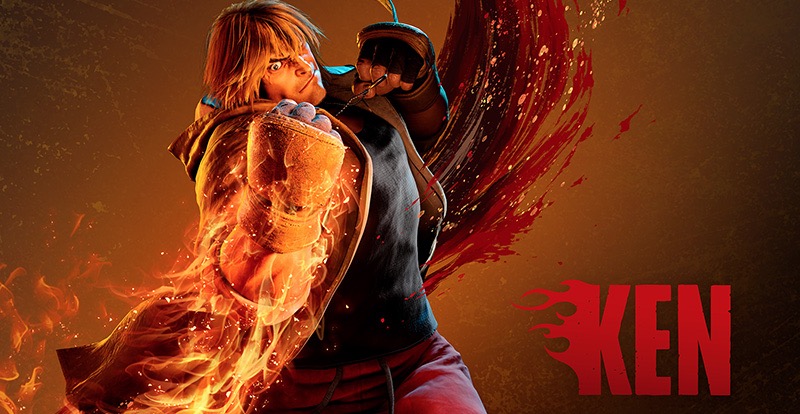
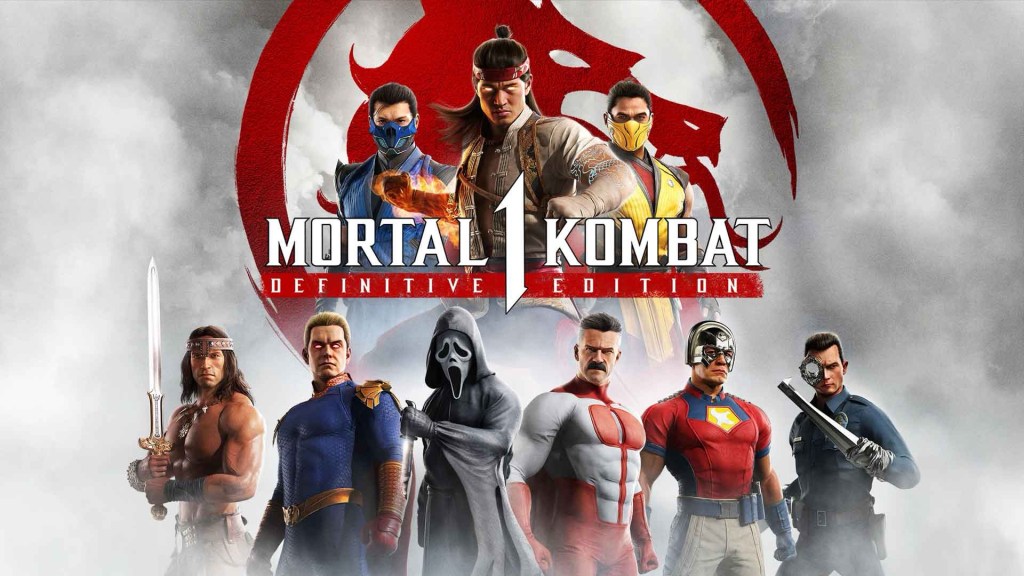
Not too long ago, maybe around the end of 2023 to the beginning of 2024, if you were to ask a fighting game fan how the community was, I feel like most people would say that the community was in the best place it had been in a long time. Street Fighter 6 and Mortal Kombat 1 had just released, Tekken 8 was just around the corner, Guilty Gear Strive was going strong in its third season, and other, humbler titles were still supported by dedicated fanbases.
But now, in third quarter 2025, that perception is a lot different. While SF6, T8, and Strive are still supported with new content and balance updates, the general public’s perception of each of them have soured. MK1 is officially dead with official support ending very quickly after its second season ended. New titles from just this year have come and gone with little fanfare. And new titles on the horizon are facing increased scrutiny from fans for a variety of reasons.
But how did we so quickly go from “we are so back!” to “it’s so over,” and why have the vibes at EVO (the world’s premiere fighting game tournament) been so weird? As a big fighting game-head with a lot of opinions on each of these games, I’d like to dissect how I think some of these games have been led astray, how they can be fixed, and why there is reason to hope.
What Went So Wrong?
As I mentioned before, it wasn’t too long ago that the general perspective most people had on fighting games was overwhelmingly positive. Over time, though, the creatives and executives behind each game made decisions that rubbed people the wrong way. I’d like to give my thoughts on where I think some of these games went wrong and some quick ideas for how they can turn around. As a quick note, I should say that I’ve had a great time playing nearly all of the games I’m about to discuss. There are definitely features to appreciate about each of these games, and I don’t always agree with the general consensus, but these are the broad issues that the community has with each game.
Street Fighter 6 – This is the game that somewhat kicked off the recent wave of fighting game releases. I’ve played SF6 quite a bit, especially with the recent release on Switch 2, and it’s genuinely one of my favorite fighters right now. However, this game is not without its controversy. Relatively, this game has been well-supported and remains fairly balanced. However, two big critiques that are frequently mentioned are the pace of new content releases and the throw-heavy meta. To address the pace of new content, there have been frequent, extended draughts of new content or updates to the game. Sometimes, these draughts would be addressed solely with avatar costumes (which aren’t very popular) or brief cutscene trailers for new fighters (often without gameplay). This can be especially frustrating when Capcom, say, releases a new trailer advocating a collaboration with another IP, only for that collaboration to be locked to avatar skins and lobby wrappers. This restlessness in the community can be exacerbated by slow balance updates, which makes it hard to address issues like the throw-heavy meta. For nearly all of SF6’s lifespan, throwing has been an extremely strong option to use in many situations. Due to the game’s design, this can be a tricky issue to address, and sometime requires fixes when new characters release. However, if balance updates are slow to release, it can make players more upset.
Like I said before, I really enjoy SF6. I think in general, it would be easy to address some of critiques levied at this game and will continue to be successful for years to come. Capcom has been speeding up the pace of content releases and reveals, and it’s always possible that SF6 will have a bigger refresh in the next year or two.
Mortal Kombat 1 – This game is beyond saving, sadly, as official support for the game ended earlier this year. While MK games have had shorter lifespans than other fighters in years past, it really feels like development was cut short before any real issues could be addressed. Player’s took issue with the lackluster story, high DLC prices, Kameo gameplay system, and honestly a ton of other stuff. I also played quite a bit of MK1 and genuinely enjoyed some elements of it (Omni-Man and Takeda are perfection in my opinion), but acknowledge that the game was far from perfect. For now, let’s hope Netherrealm has learned their lesson as they develop their next game.
Tekken 8 – Oh man, where to begin. This is another MK1 level disaster, although its story is far from over. Tekken 8 released to critical and commercial success, just as much as the previous games discussed. However, issues really began when its paid DLC began its rollout. Content was around the pace of SF6’s, which drew some ire from fans. However, issues really began in a mainstream way with the release of its fourth DLC character, Clive from Final Fantasy 16. This was not a character rumored beforehand and was generally met with negative to indifferent responses. He failures to capture the excitement that Noctis, the Final Fantasy representative from Tekken 7, or his fellow guest characters brought to the series.
Fans turned from unhappy to outraged when T8’s big 2.0 update released. This update effectively killed the game, changing the properties of many characters and adding many more 50/50 decisions to the gameplay. The issues became so bad that pros and casuals alike quit the game. Today, the devs are working hard to update the game, which is commendable. However the fixes are a case of too little too late, as many of the biggest issues are still prevalent and the second wave of DLC fighters failed to capture the interest of the general public. Tekken 8 may be redeemed one day, but the devs will have to do a lot to regain the good will of the majority of its player base.
Where Is It Headed?

After outlining where a few of the biggest names in fighting games went wrong, I think I’m comfortable coming to two conclusions. First, there is a very fine line when balancing games. As new characters are added and more people pick up a game, it’s inevitable that balance changes will be necessary. The issue devs face is finding the, well, balance between over or under-tuning the game. Street Fighter 6 is in a situation where there is a meta-defining feature in the game that fans don’t think has been properly addressed, while Tekken 8 is in a situation where the devs addressed so many things and tweaked so many gameplay features to the point where it isn’t even really the same game anymore.
Second, fighting games need to do something new, while still retaining the identity of the series. I think the three examples I listed above all tried something new, which I really appreciate! In Mortal Kombat 1‘s example, though, many core fans were unhappy by the addition of the Kameo system which really divulged from previous entries.
So, where does that leave us? Are today’s games all lost causes? I really don’t think so. Looking back at previous entries, games like Street Fighter V had so many issues and lost so many core fans, but eventually got back on its feet and became incredibly successful. No game is truly a lost cause. However, I do think some of these games are on a timer for major fixes. 2026 will have another big fighting game shakeup when Marvel Tokon: Fighting Souls and Invincible VS release. Both of these games are being created by legacy developers, have huge IPs behind them, and have a ton of attention on them already. They are both tag-fighters, which sets them apart from the likes of SF6 and T8, but I still think they will attract many players from the other big fighting games.
I don’t think fighting games are dead, but we’re certainly in a rough patch right now. The good news is that devs are listening. Changes are coming and new games are on the horizon that genuinely excite me. I’m looking forward to the future of fighting games!
 Wesley Richmond's Blog
Leave a comment